Rancho Cucamonga highlight
Historic Route 66 presence
Historic trails through Rancho Cucamonga became Route 66 when established in 1926, with the route running through the modern city via what is now Foothill Boulevard.
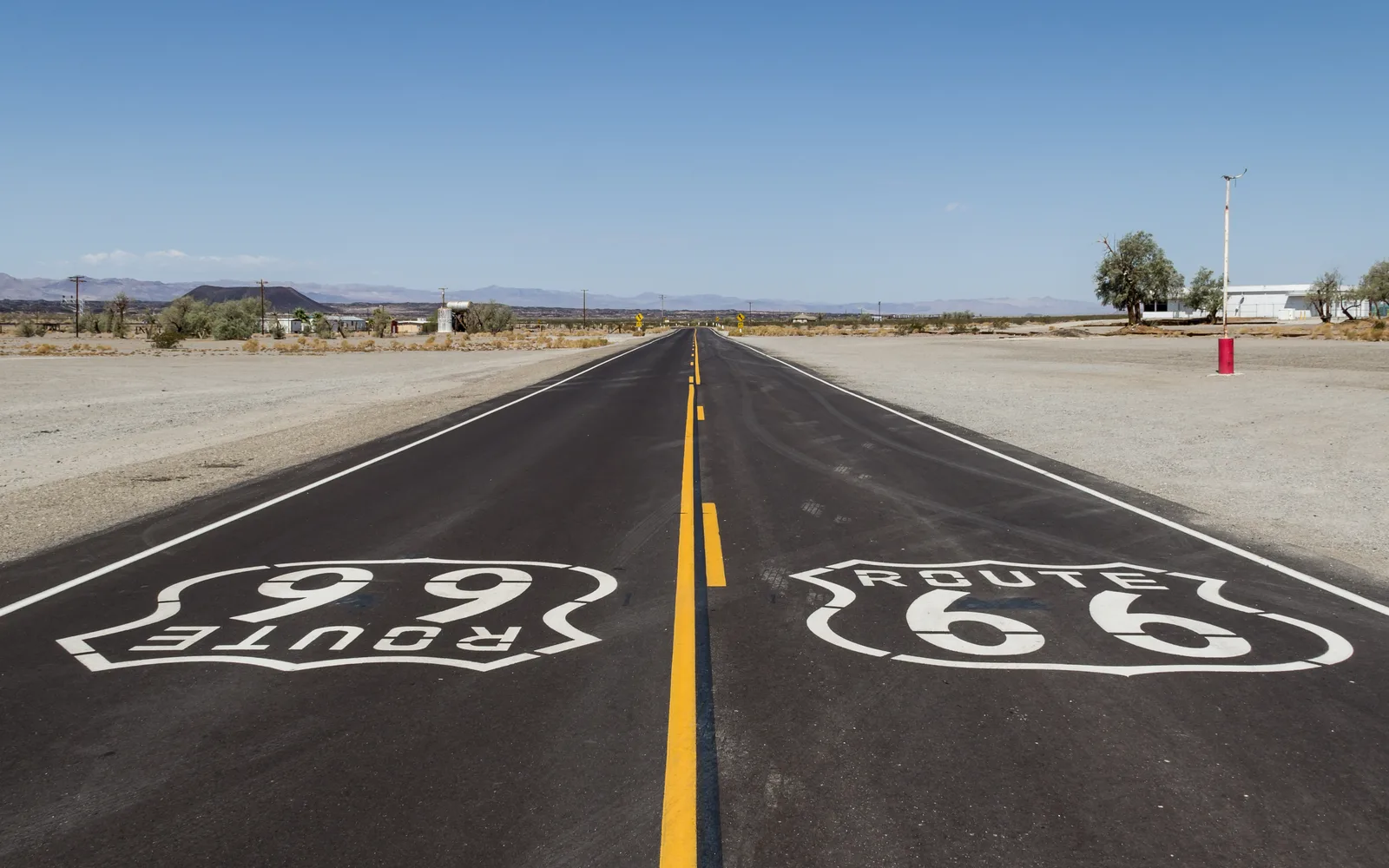
Rancho Cucamonga sits on land traversed by Native American trails that later became the California Trail and, eventually, the National Old Trails Road. When Route 66 was established on November 11, 1926, these pathways were incorporated into America's first major east-west federal highway, connecting Chicago to Los Angeles over 2,400 miles. In Rancho Cucamonga, the route follows what is today Foothill Boulevard, maintaining the same general course that indigenous peoples and settlers had traveled for centuries.
The highway operated as a major transportation corridor for over half a century until it was officially removed from the United States Highway System on June 26, 1985, replaced by the Interstate system. During those decades, Route 66 earned iconic status in American culture as the pathway for families traveling west during the Depression and for post-war tourism and commerce. In Rancho Cucamonga and across Southern California, the route transformed from a utilitarian highway into a symbol of American mobility and possibility.
Today the historic route remains embedded in the city's geography and consciousness. For families living on or near this historic pathway, the traditions of Route 66—journey, family travel, the connection between distant places—inform how they think about planning. A term life policy is, in its way, a guarantee of continuity for the journey: ensuring that the people you support can continue forward if you are no longer there to travel with them.